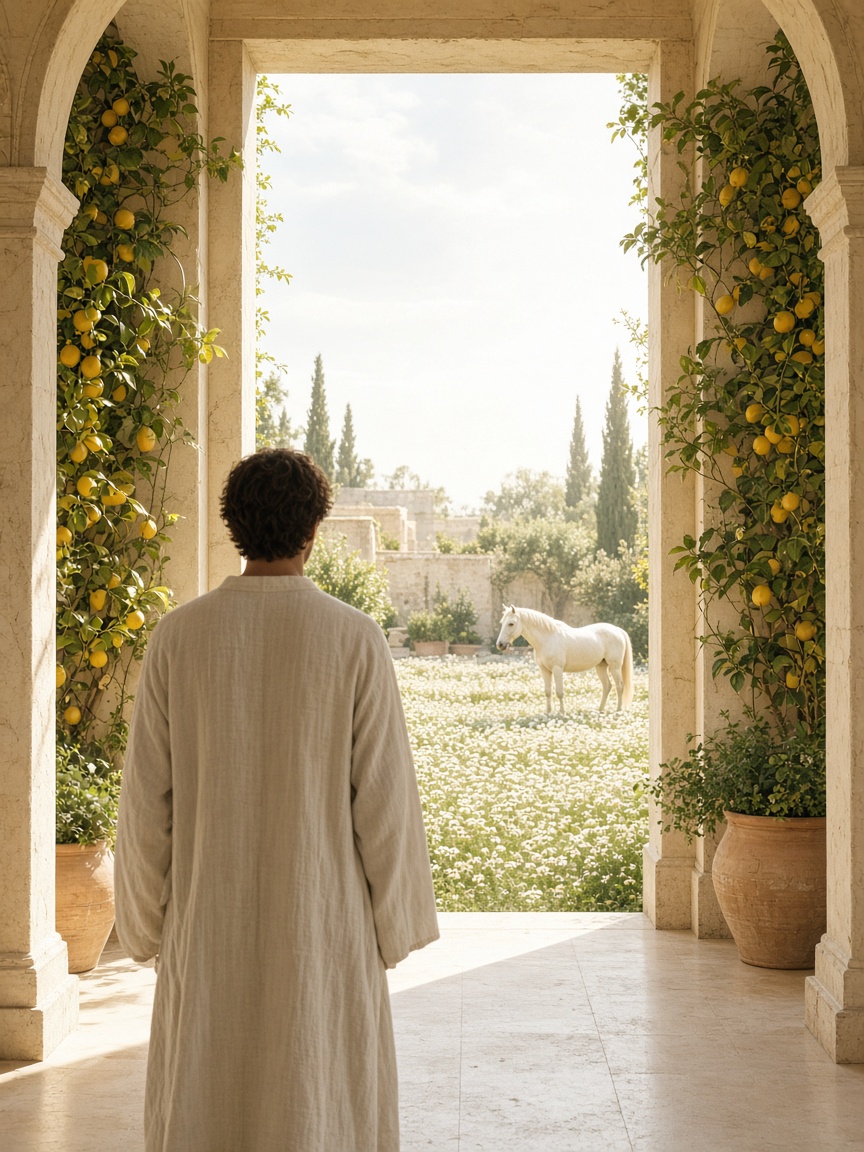
The Folio · On attention
Look first
Most of us read the caption before we have looked at the picture. This letter is about slowing down — on a screen and in a room.
PortraitLuxe · September 30, 2026 · 13 minutes
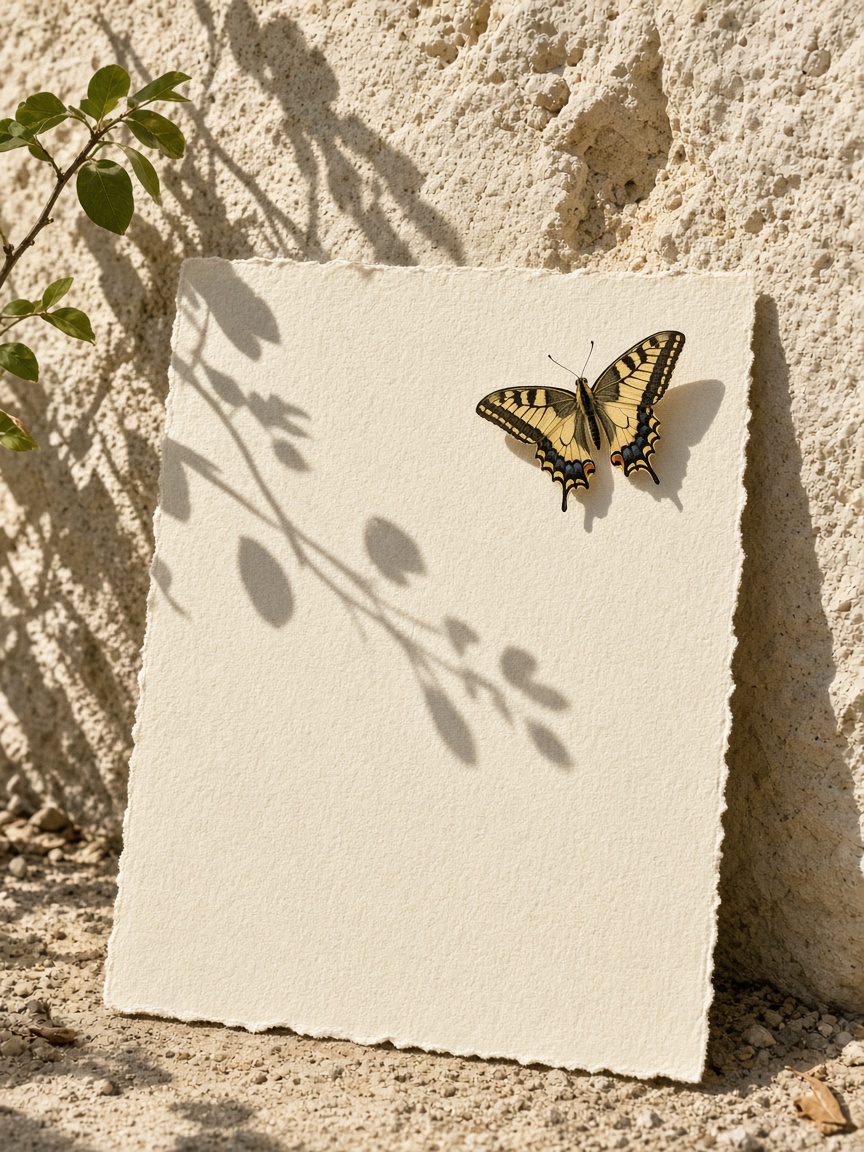
Picture: PortraitLuxe. Made with AI, directed by the house.
Feeds trained a bad habit: the glance that is already a judgment. You see a corner of a picture, a name, a grade, a price, and you feel you have “seen” the work. You have not. You have filed it. Filing is useful for mail. It is a poor way to stand in front of a picture someone made on purpose.
A better order is simple. See the picture first. Then open the details, the notes, the honors, or a print if you want them. If the buy button is on the door, you are in a shop with a viewing room attached. It should be the other way around.
How to look, if you have forgotten
Stand far enough that the picture is one thing, not a pile of parts. Then come closer until a passage of light becomes a choice — a crop, an animal, a kite, a thread of colour. Then step back again. That second distance is where most people never return. They stay in the close looking, which is a kind of hunger, and they never let the picture be a room again.
Give it more than the chorus of a song. Three minutes is a start. Ten is better. If that sounds luxurious, it is because luxury has been sold as objects. Time in front of a picture is older. It costs you only the decision not to tap away.

Hold a picture at arm’s length. Too close and you see dots. Too far and you see a poster.
Picture: PortraitLuxe. Made with AI, directed by the house.
A screen is a bad room and a useful lamp
You cannot feel the paper on a phone. You can, if the site lets you, pinch and move and see the picture without a stack of badges. That is why a serious viewing room is one picture in a dark space, not a grid that crops every image into a tile. Tiles are for finding. Rooms are for looking. Search engines can find titles and stills. Once you have arrived, you should not have to hunt.
Turn the brightness toward something like a wall, not a billboard. If you can, look by a window. Daylight on a screen is harsh and useful. It shows you whether the picture was made of light or of glare. A gloomy default is a habit, not a vision. If a picture needs night, the artist should choose night. Nobody should pour ink into the shadows just to look expensive.
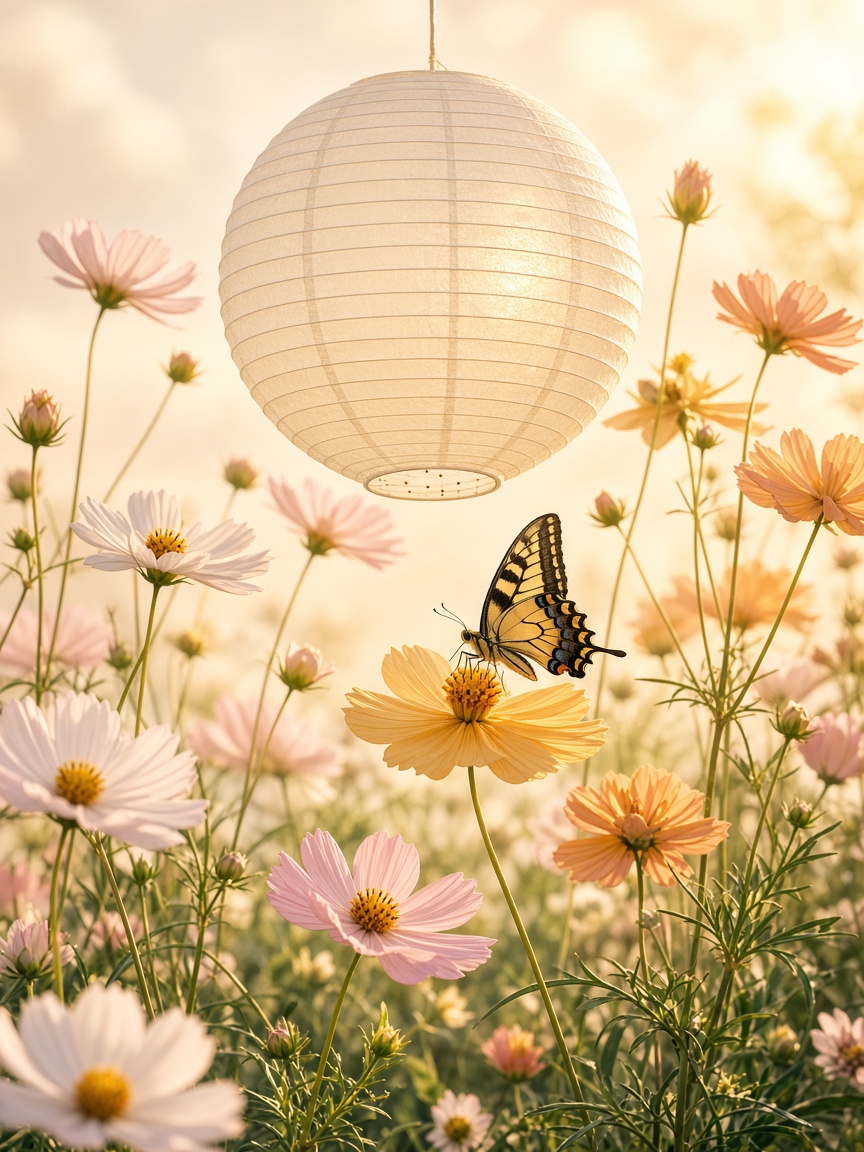
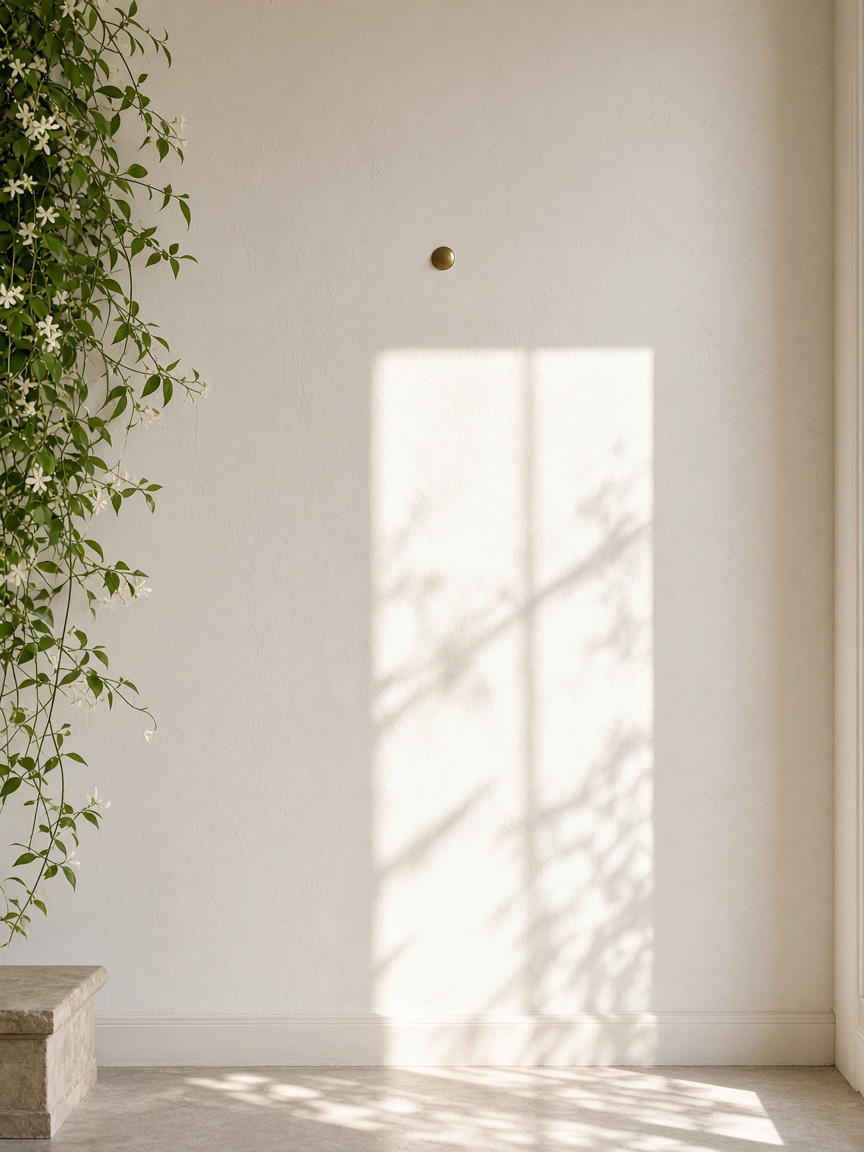
Some light is made. Some light is given. Looking is noticing which one you are in.
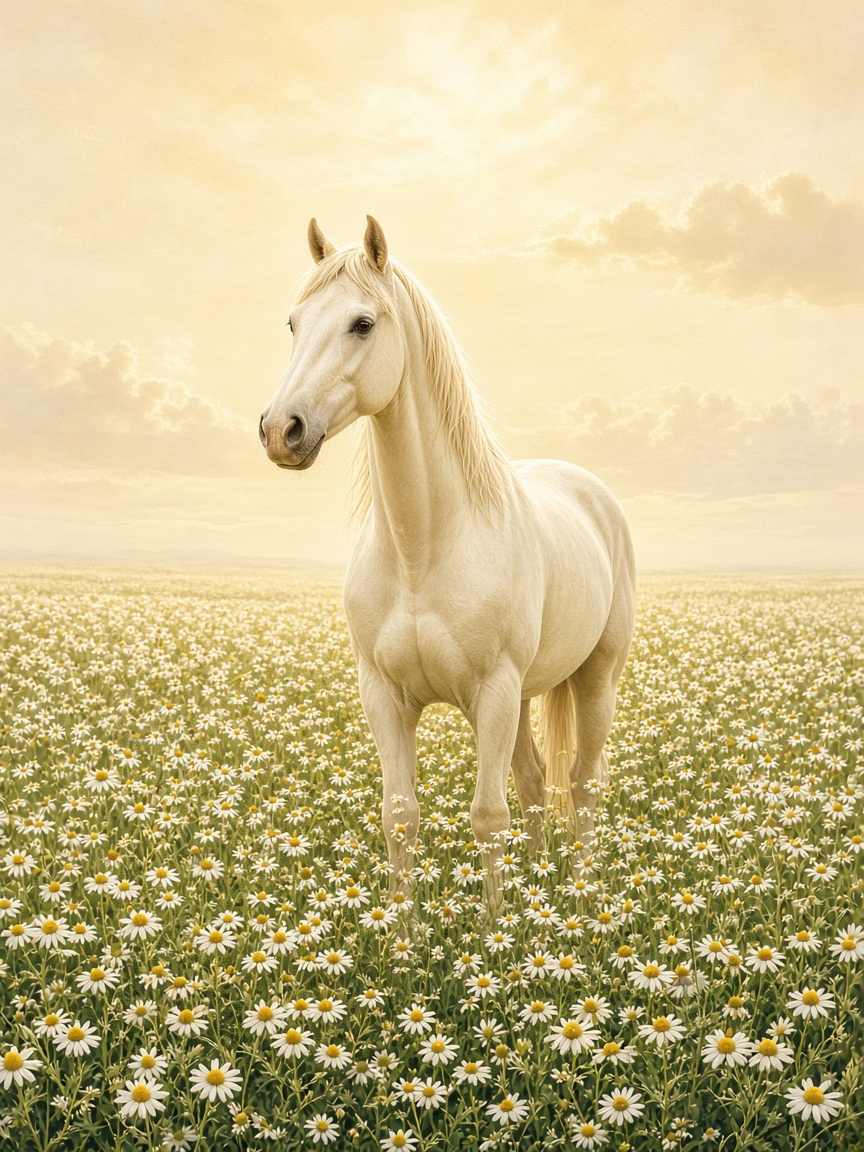
Picture: PortraitLuxe. Made with AI, directed by the house.
Notes, grades, and prints come after
A note on a picture is a visitor’s line in a book, not a star rating. A grade is a consideration for a public wall, not a score you owe in the comments. A Standard print is a sheet that can ship. All of these are real. None of them should arrive before you have seen the picture as a picture. If you came from a search about how to look at art, or how to look at a painting, the instruction is small: stay. Then, if you want, open Details. Then, if the picture should live in your room, you can ask for a print. Then, if the numbered work is what you want, write.
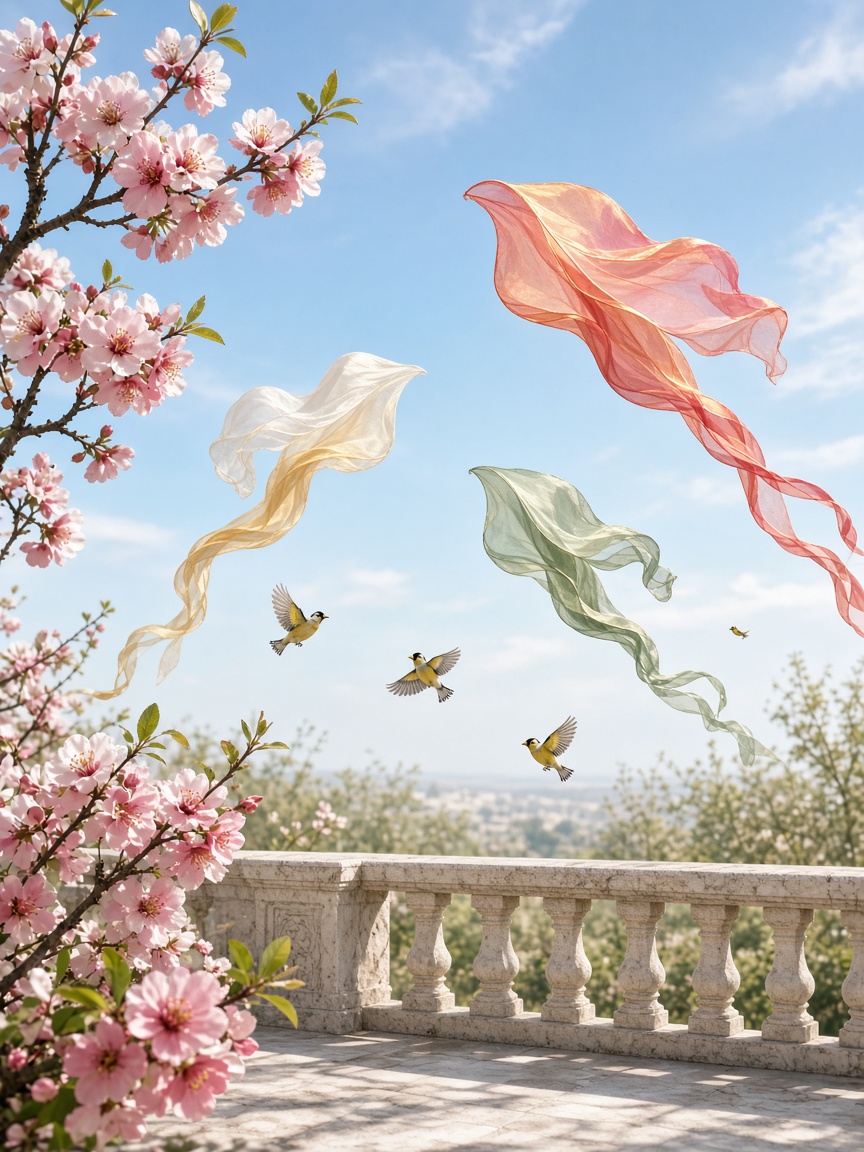
Some pictures are about lift. You cannot scroll that. You have to stay.
Picture: PortraitLuxe. Made with AI, directed by the house.
If you make pictures, the same letter is for you. You are asking someone to stay. Do not fill the image with the noise you think a feed requires. A public wall is not a thumbnail contest. It is a sequence of rooms. Make a room. Send an invitation. If the picture earns a high grade, it may appear where strangers can look without you standing beside them. That is the risk and the honour. Looking is the only proof.