The Folio · On crop
What the edge refuses
Cropping is choosing what stays in the picture and what is left out. That choice is most of the picture.
PortraitLuxe · September 30, 2026 · 12 minutes
Picture: PortraitLuxe. Made with AI, directed by the house.
Cameras taught a first lie: that the rectangle is innocent. Point, and the world falls in. In that story, cropping is what you do later if you were clumsy. How to crop a photograph becomes a tutorial about cutting off a lamp-post. That is housekeeping. It is not composition.
A crop is a choice about what the picture will not include — the rest of the animal, the rest of the orchard, the person who was almost in the chair. What remains has to carry the picture alone. If it cannot, you did not make a picture. You made a wide shot waiting for a caption.
The edge is doing the work
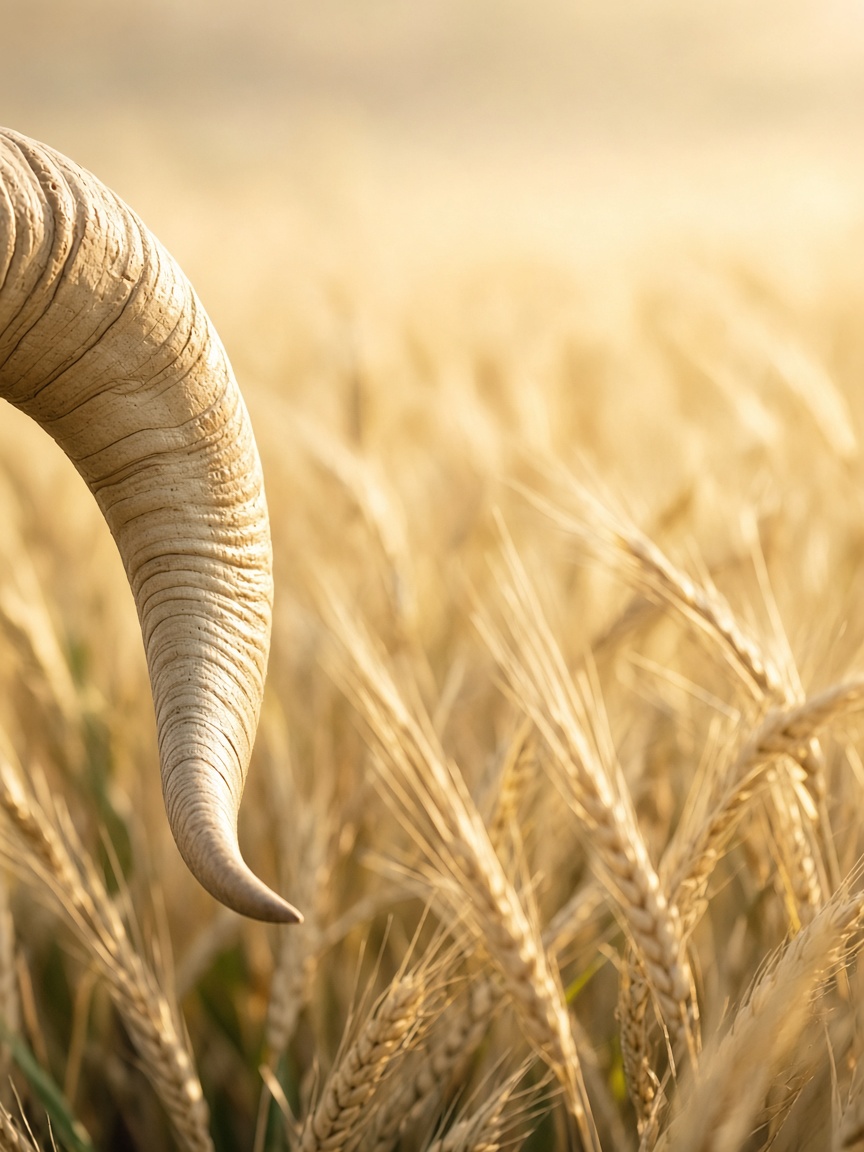
Look at a horn and not a flock. A clock of seeds and not a field. The underside of a parasol and not a terrace. These are not details cut from a larger, more complete image. They are the image. When a picture is directed, composition and crop are the same act. You do not “find” the frame in the file. You make the file so the frame is already true.
This is why a mill loves the wide view. A wide view can be reused. You can cut a hundred crops from a generic seascape and call each one new. If you want one-of-a-kind pictures, you have to start at the edge. If the invention is only in the middle, the edge will show that you have seen this weather before.
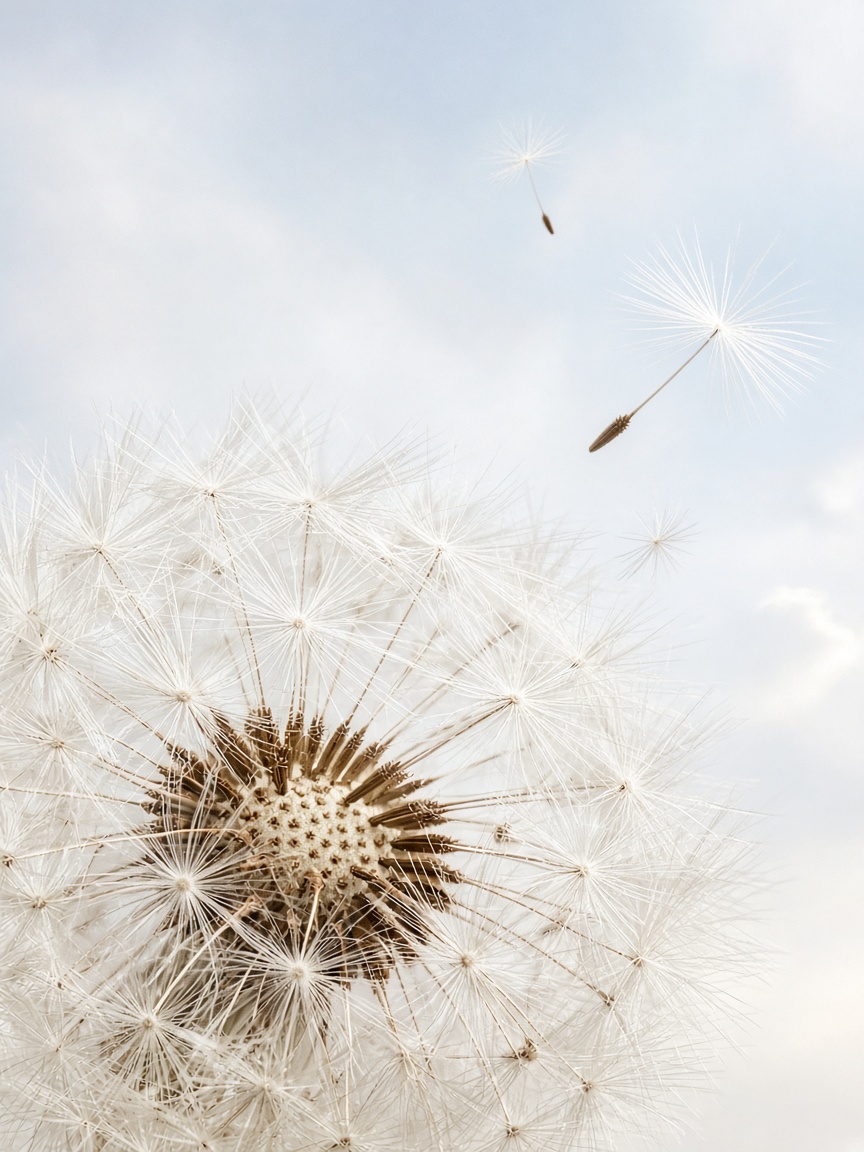
The meadow is outside the frame. The leaving seed is the picture.
Picture: PortraitLuxe. Made with AI, directed by the house.
Three by four is not a fashion
The pictures on this wall, and the sheets that can ship, share a proportion: three by four. Standard prints — Studio, Room, Hall — keep that crop. A picture is not stretched to fit a cheaper landscape because a shop asked for it. Aspect ratio is not a metadata field. It is the shape the picture was built to occupy. Change the ratio and you let in what the edge had closed.
A print that arrives rolled is that same shape on paper. If the crop had been changed for a poster’s convenience, you would be framing a compromise.
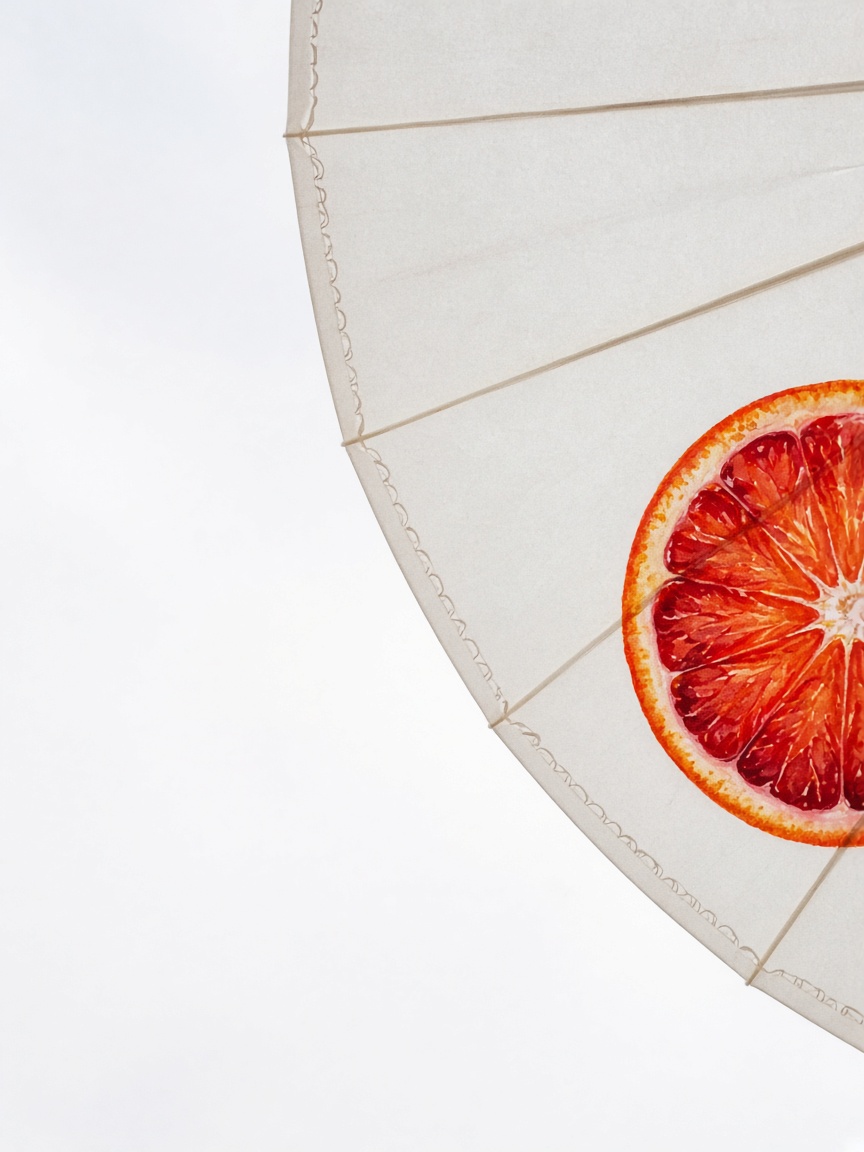
A tight crop can turn an umbrella into a sky.
Picture: PortraitLuxe. Made with AI, directed by the house.
You are not owed the rest
Feeds taught us to want the rest. Pinch out. See behind. A serious picture will not explain itself by showing you everything. Looking is agreeing to stand where the artist stood. If you need the whole orchard to believe the seed, you are asking the picture to be a document. Documents are useful. They are not why a picture is hung.
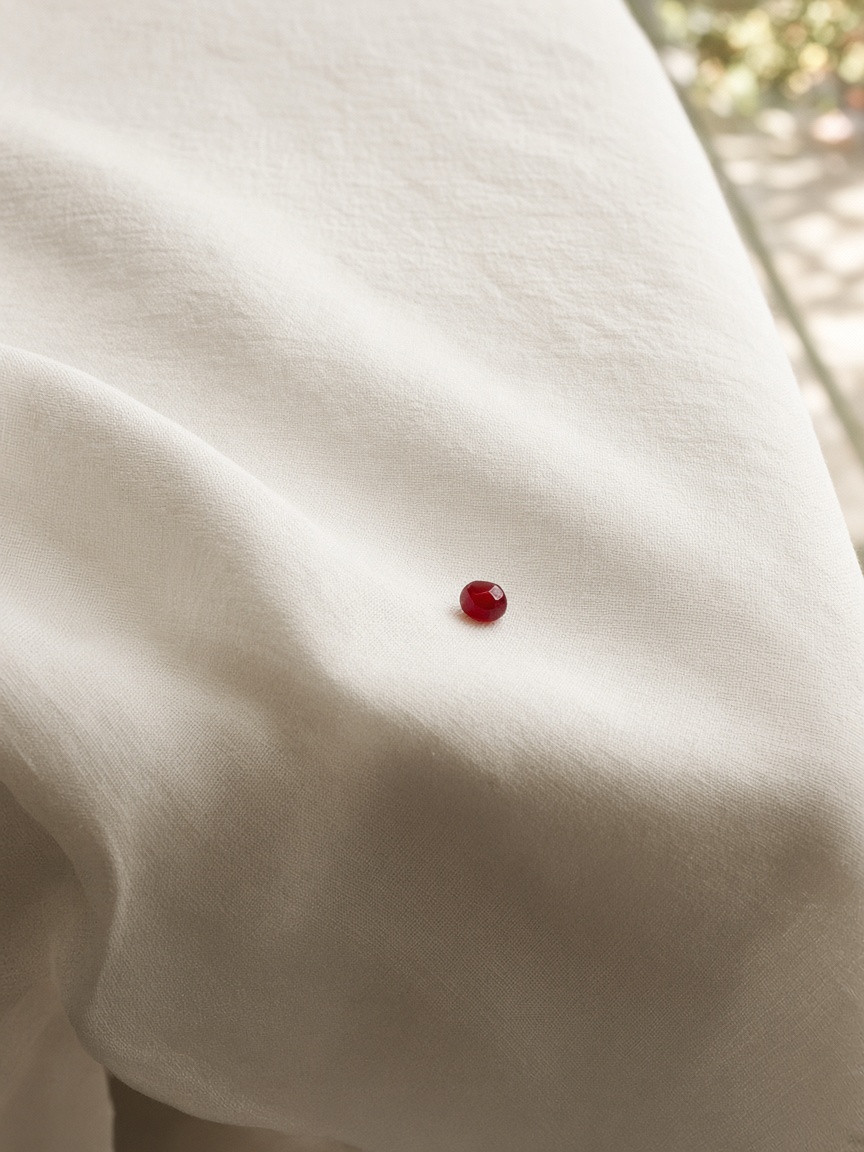
One seed. You can imagine the orchard. You are not owed a wide shot of it.
Picture: PortraitLuxe. Made with AI, directed by the house.
If you searched for cropping in photography, or the picture plane, you already suspected the edge was doing work. Walk the wall and notice what is missing. Then look first, without opening Details, and see whether the choice holds. If you make pictures, write the crop into the brief. Do not generate a whole room and then hunt for a postage stamp of interest. If you want that same edge on your wall, a Standard print is the sheet. If you want the numbered work, inquire.